Program

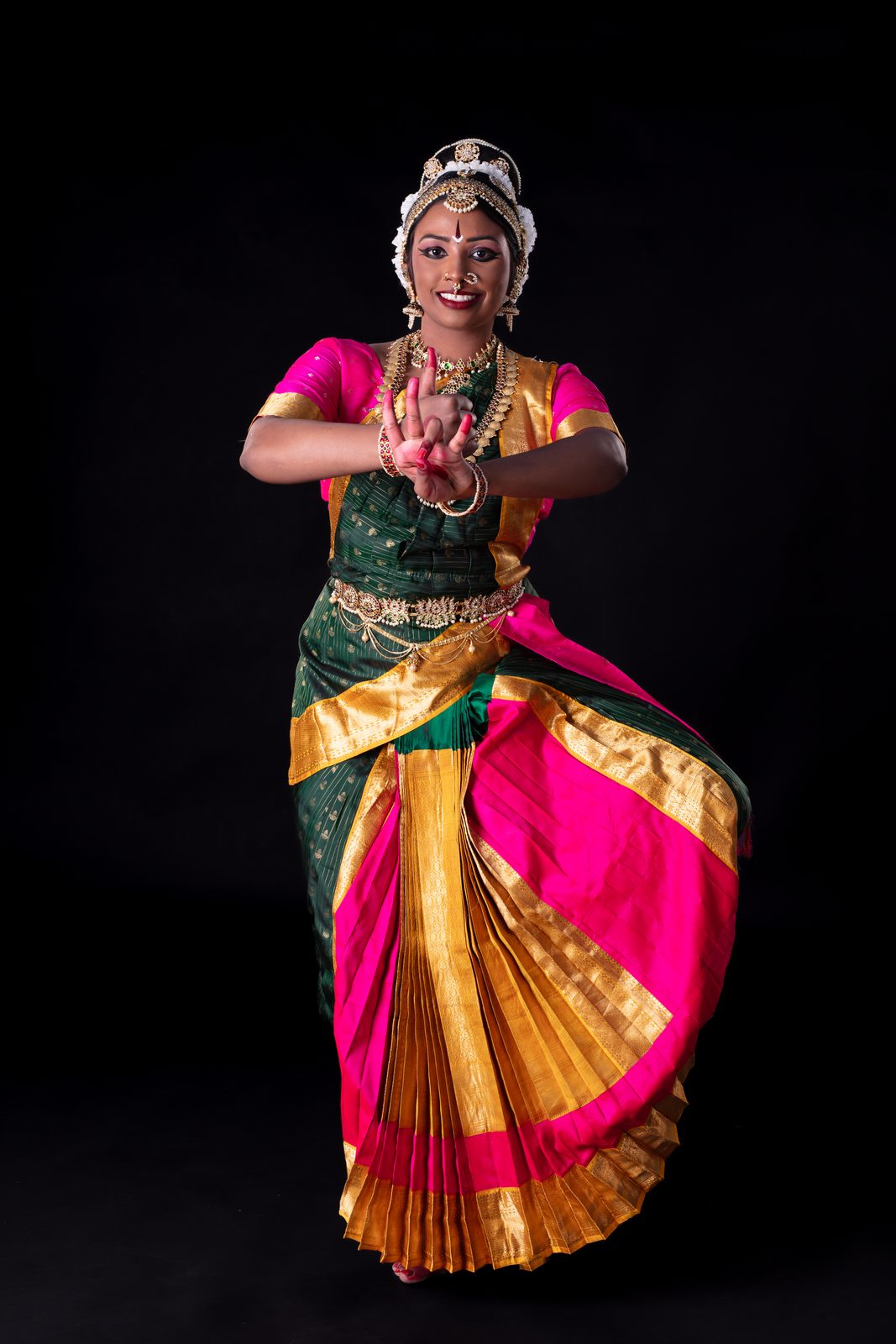
Anandha Narthana Ganapathim

1. Anandha Narthana Ganapathim

Raagam: Naattai

Taalam: Adi

Composer: Oothukaadu Venkata Kavi

Ananda Narthana Ganapathim translates to "I meditate on the joyous, dancing Lord Ganesha". It is the opening line of a famous Carnatic keerthanam (hymn) composed by the legendary Oothukadu Venkata Subbaiyer. He is described as the embodiment of pure consciousness, residing in the Muladhara (root) chakra as the sacred sound of Om. The lyrics describe him as an emerald-hued, single-tusked deity, crowned in golden garments, and shining with an incomparable divine body. He is praised as the ultimate wish-fulfilling tree for the needy, worshipped by sages and celestial beings, and ever-present in the hearts of Lord Shiva and Shankara.
Pravesha Daruvu

2. Pravesha Daruvu

Raagam: Ragamalika

Taalam: Adi

Composer: K V Sathyanarayana

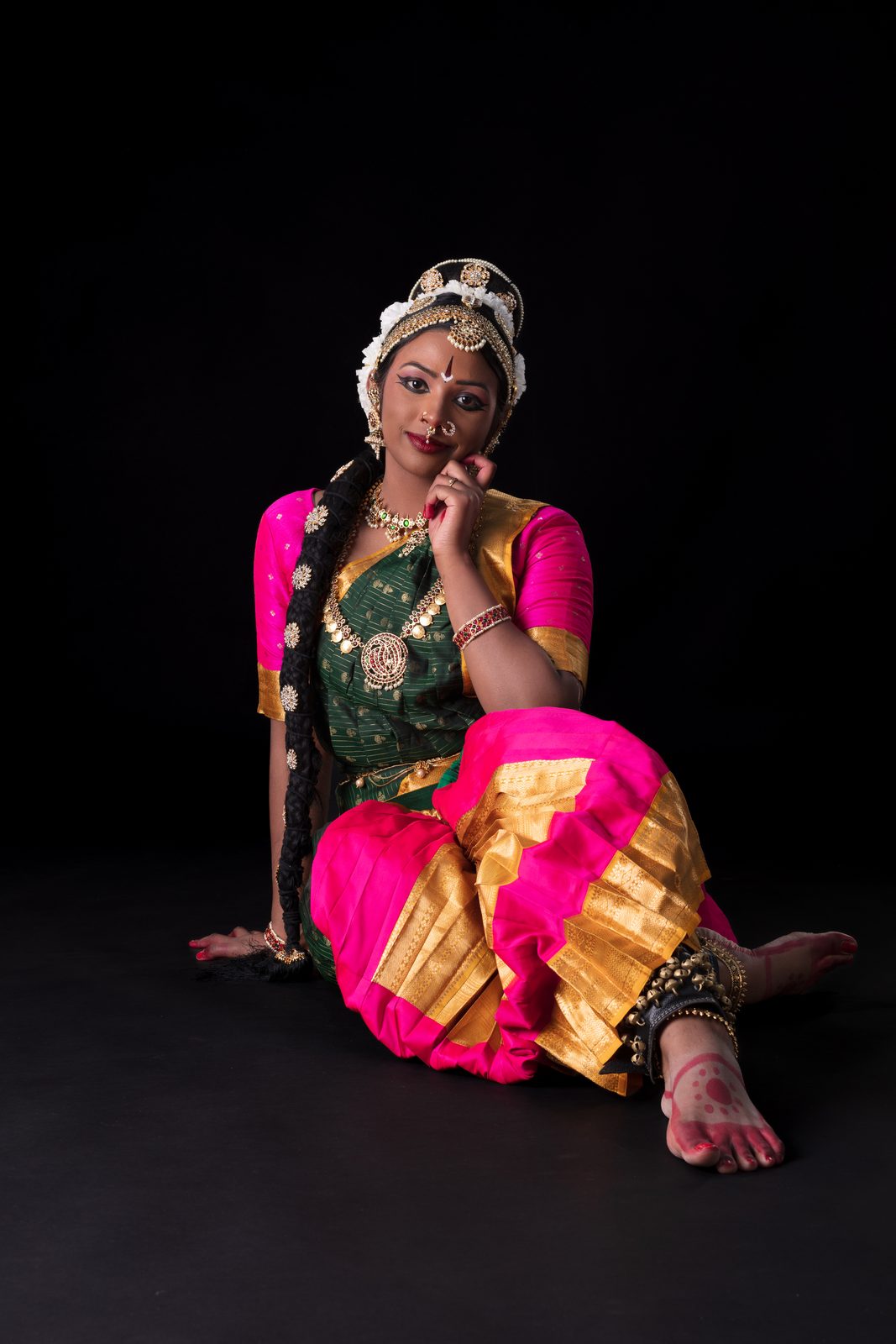
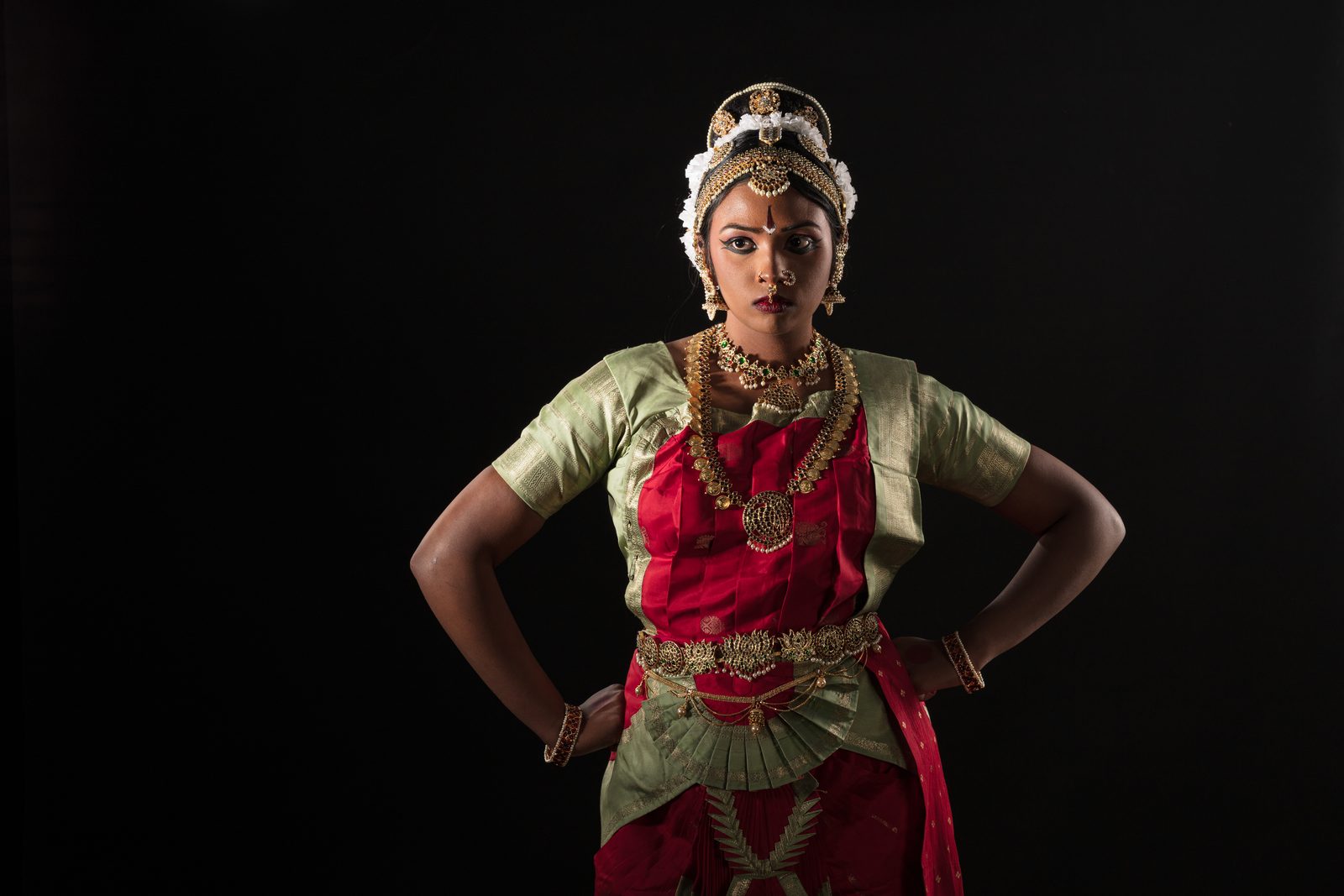
A pravesha daruvu is a specific type of introductory dance and musical piece in the Indian classical dance-drama form, Kuchipudi. It serves as a character's dramatic self-introduction when they first enter the stage, instantly establishing their mood, identity, and specific emotions through tailored ragas and rhythmic footwork. In this pravesha daruvu, the Goddess Valli introduces herself as a celestial maiden born from the tears of joy of Lord Vishnu. According to South Indian and Sri Lankan folklore, she is a tribal princess raised in the forest who won Lord Murugan's heart through her pure devotion and unshakable love.

Shabdam

3. Shabdam

Raagam: Ragamalika

Taalam: Adi

Composer: Keerthanna Jothiraman

In a traditional Kuchipudi recital, the shabdam is the first item that introduces emotional expression (abhinaya). It acts as an "icebreaker", transitioning the performance from abstract rhythmic footwork to storytelling. The dancer uses rhythmic syllables, facial expressions, and hand gestures (mudras) to narrate stories in praise of a deity or a patron king. This shabdam showcases the story of the Tamil Epic, Silapathikaram. The story entails a young merchant named Kovalan abandons his devoted wife, Kannagi, for a courtesan, which leads to his financial ruin. The couple moves to the city of Madurai to start over. There, Kovalan is falsely accused of stealing the Pandya Queen's anklet and is unjustly executed. Kannagi arrives in Madurai and proves her husband's innocence to the Pandya King by shattering her own anklet, and setting the city ablaze in her anger.

Varnam

4. Varnam

Raagam: Kalyani

Taalam: Adi

Composer: Madurai Muralidharan

In Bharatanatyam, the varnam is the central, most elaborate piece of a traditional recital, usually lasting 20 to 30 minutes. It perfectly balances nritta (intricate pure dance sequences) and abhinaya (expressive storytelling), requiring immense stamina and emotional depth from the dancer. In this Arangetram, the guru and disciple mix the central concepts of a Kuchipudi Tharangam (a dance done on a brass plate) with the traditional Varnam to showcase a tapestry of Kuchipudi artestry and Tamil culture.

This varnam showcases Lord Shiva or Aadal Nayagan, which refers to his manifestation as Nataraja, the cosmic dancer who performs the Tandava to continuously create, preserve, and dissolve the universe. He is the one holding the River Ganga in his hair, balancing on one leg over the demon of ignorance (Apasmara), holding a flame and a drum (Damaru).

Durge Durge

5. Durge Durge

Raagam: Revathi

Taalam: Adi

Composer: Madurai N Krishnan

In Hinduism, Durga is the supreme protective mother of the universe and the principal form of Shakti (divine feminine energy). As a fierce warrior goddess who rides a lion or tiger, she is revered for battling evil and demonic forces to restore moral order and righteousness.

This piece showcases the Mahishasura Mardini, translating to "the slayer of the demon Mahishasura". To defeat the shape-shifting demon, the collective energies and powers of Lord Brahma, Vishnu, and Shiva merged to create Goddess Durga. She fought and ultimately slayed the buffalo-demon with her trishula (trident), earning the title of Mahishasura Mardini.

Dasavatharam

6. Dasavatharam

Raagam: Ragamalika

Taalam: Adi

Composer: Udumalai Narayana Kavi

Dasavatharam refers to the ten primary incarnations of the Hindu deity Vishnu, who descends to Earth in various forms to restore cosmic order (dharma), defeat evil, and guide humanity. The ten avatars include: Matsya (The Fish), who descended to save the Vedas and the seeds of life during a great cosmic flood. Kurma (The Tortoise), who manifested to support Mount Mandara on his back during the churning of the ocean. Varaha (The Boar), who descended to rescue the Earth (Bhudevi) from the ocean and defeat the demon Hiranyaksha. Narasimha (The Man-Lion), who emerged to protect his devotee Prahlada and destroy the tyrant demon Hiranyakashipu. Vamana (The Dwarf), who arrived to curb the pride of the demon king Mahabali and restore the dominion of the three worlds. Parashurama (The Warrior with an Axe), who manifested to rid the world of oppressive kings and restore righteousness. Rama (The Prince of Ayodhya), the ideal man and king who defeated the demon king Ravana. Krishna (The Divine Statesman), the supreme teacher of the Bhagavad Gita who removed adharma and guided the Pandavas in the Mahabharata war. Kalki (The Future Redeemer): the prophesied final incarnation who is believed to appear at the end of the Kali Yuga (the current age of darkness) to destroy evil and restore cosmic order.

Kalinga Narthana Thillana

7. Kalinga Narthana Thillana

Raagam: Gambheera Naattai

Taalam: Adi

Composer: Oothukaadu Venkata Kavi

In Kuchipudi, a Thillana (or Tillana) is a vibrant, high-energy finale piece in Carnatic music and dance. Traditionally, it is a purely rhythmic presentation (nritta) that highlights the dancer's footwork, precision, and mastery of rhythm (laya).

However, in this item, the dancer showcases not only nritta but abhinaya as well through the story of Kalinga Narthana. The dance recounts the childhood legend of Lord Krishna subduing Kaliya, a venomous, multi-headed serpent who poisoned the Yamuna River, killing local aquatic life and endangering the people and cattle. While playing ball with his cowherd friends, Krishna accidentally tossed his ball into the river's deadly depths and dove in after it. Upon confronting the furious serpent, Krishna began to dance upon Kaliya's hoods. His rhythmic, divine steps brought the weight of the universe, crushing the serpent's arrogance and forcing him to surrender.

Thirupugazh

8. Thirupugazh

Raagam: Ragamalika

Taalam: Adi

Composer: Arunagiri Naathar

The final presentation is inspired by the immortal verses of Saint Arunagirinathar, whose Tiruppugazh compositions are celebrated for their profound spirituality, poetic brilliance, and intricate rhythmic beauty.

In this moving hymn, the devotee reflects on the impermanence of worldly life, describing how youth gradually gives way to old age, the body weakens, the senses begin to fail, and worldly attachments eventually lose their meaning. As life's final moments draw near, the only prayer that remains is for the compassionate Lord Muruga to arrive on His majestic peacock and grant refuge at His lotus feet.